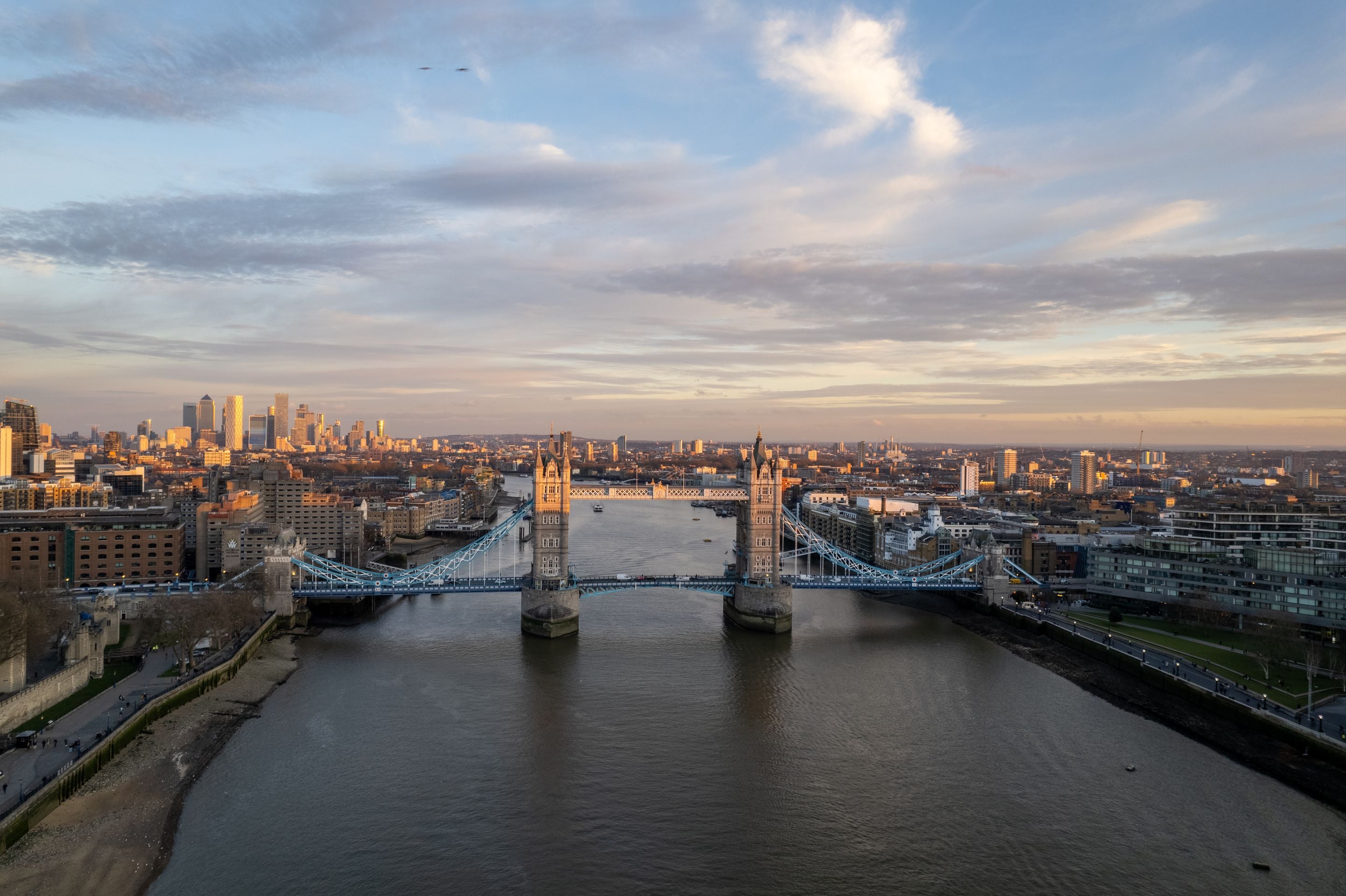
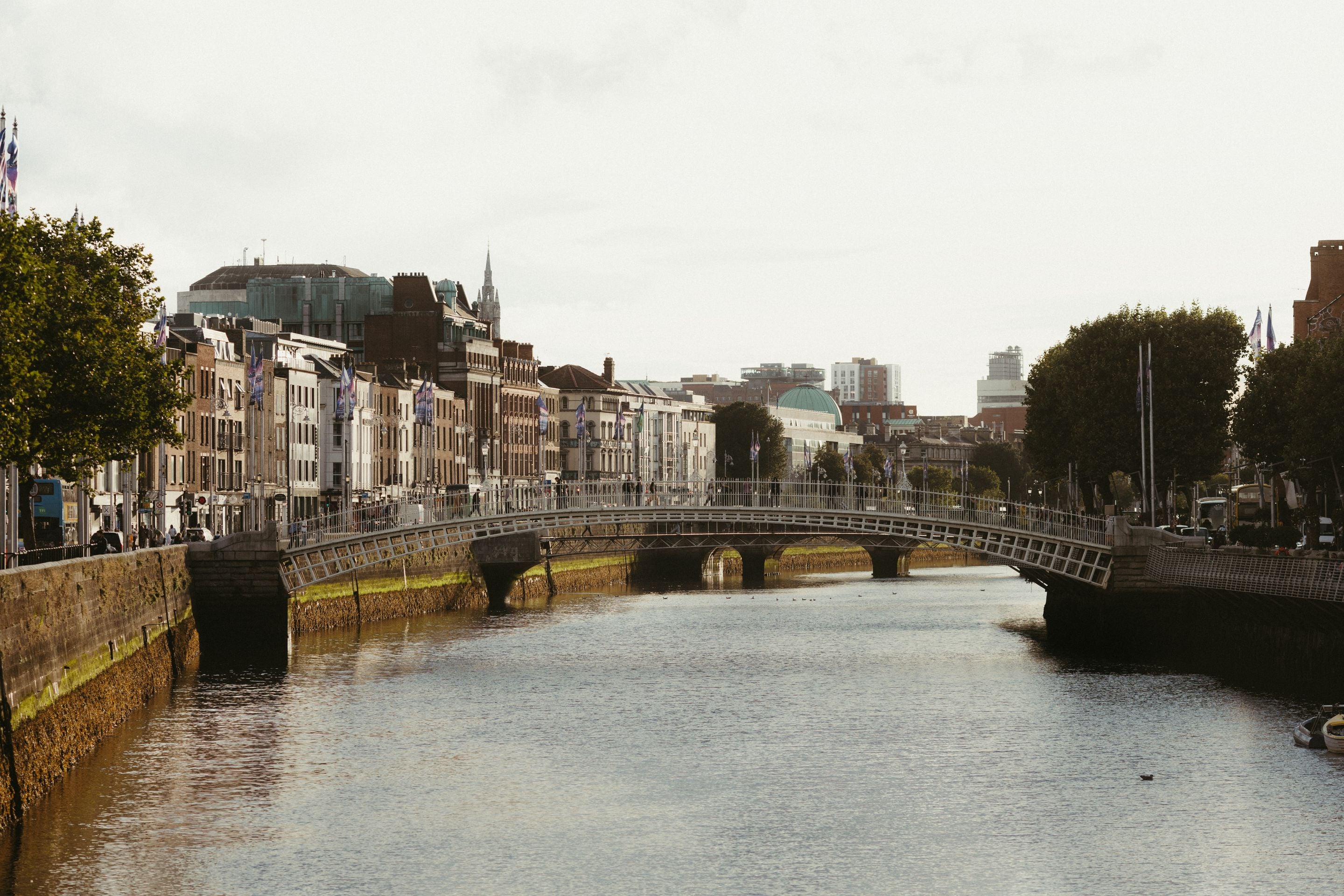
Walk through Kensington on a Saturday and you would be forgiven for thinking little has changed in a year. The mansion blocks are the same, the doormen are the same and the asking prices on the prime streets have barely moved. Walk through Clapham, Walthamstow or Lewisham and the story is different: viewings are crowded, homes go under offer within days and some sell above the guide price.
London in 2026 is a two-speed market. After the stamp duty changes of 2025 and a long period of high mortgage rates, buyers with the most to spend are cautious, while those with moderate budgets and strong employment have returned in numbers. This article sets out what we are seeing on our London desks and what it means for buyers and sellers.
Why prime is waiting
Prime central London buyers are a smaller, more globally mobile group. They are affected by tax changes on non-domiciled residents, higher non-resident surcharges and uncertainty about exchange rates. Many are waiting for clarity before committing to large purchases, and sellers who are not forced to move are holding back instead of cutting prices.
The result is a market with fewer transactions at the top and a widening gap between realistic and aspirational asking prices. Homes priced in line with recent sales still sell, usually after two or three months. Those priced ten per cent above comparables sit unsold and are eventually reduced.
The outer zones: why demand is rising
Clapham, Tooting and the commuter belt around the Elizabeth line have seen strong demand from first-time buyers and young families. Better rail links, remote working that allows two or three office days a week and rents that have risen faster than incomes push tenants towards buying. A buyer who rents a two-bedroom flat for £2,600 a month often finds that a mortgage on a £550,000 home costs a similar amount, even at today’s rates.
Stock is the other part of the story. There are fewer family-sized homes for sale than at any time in the last decade, so competitive bidding has returned in the most popular catchment areas. Our Clapham team has seen asking prices achieved or exceeded in roughly four of every ten sales this year.
- Median days to sell in outer south-west London: about 28, down from 41 a year ago
- Prime central London: about 74 days, up from 59
- Share of sales completed above asking price in Zones 3 to 5: roughly one in five
- Share of first-time buyers on Halvenor’s London books: 38 per cent, up from 31
Lettings: rents rise more slowly
In the rental market, the rate of rent growth has slowed from the double-digit increases of 2023 and 2024. Landlords face higher costs, new regulation under the Renters’ Rights Act and a limited supply of properties, but tenants’ affordability has reached its limit in many areas. Rent increases are now closer to four or five per cent a year, and well-presented properties in good locations still let within a week.
Landlords selling up have shifted supply towards the sales market, which supports prices at the lower end. Investors considering a purchase should model the effect of the new tenancy rules, since fixed-term lets are replaced by rolling tenancies and landlords must rely on stated grounds to end a tenancy.
What to expect for the rest of 2026
If interest rates drift lower as markets expect, mortgage costs should ease and bring more buyers into the market in the autumn. We expect outer London prices to rise by three to five per cent over the year, with prime central prices flat to slightly lower. Sellers who price correctly will do well in any part of the city; those who overreach will find the market less forgiving than it was.
For buyers, the lesson is to keep a clear brief and move quickly on well-priced homes in competitive areas, while using the extra bargaining power available in slower segments, such as larger flats with long leases.
The figures in this article are illustrative observations from Halvenor’s fictional demonstration desks and are not real market statistics.